
Fabric Matters: Science Behind Colour and Texture in Window Treatments
Featured Partner Post
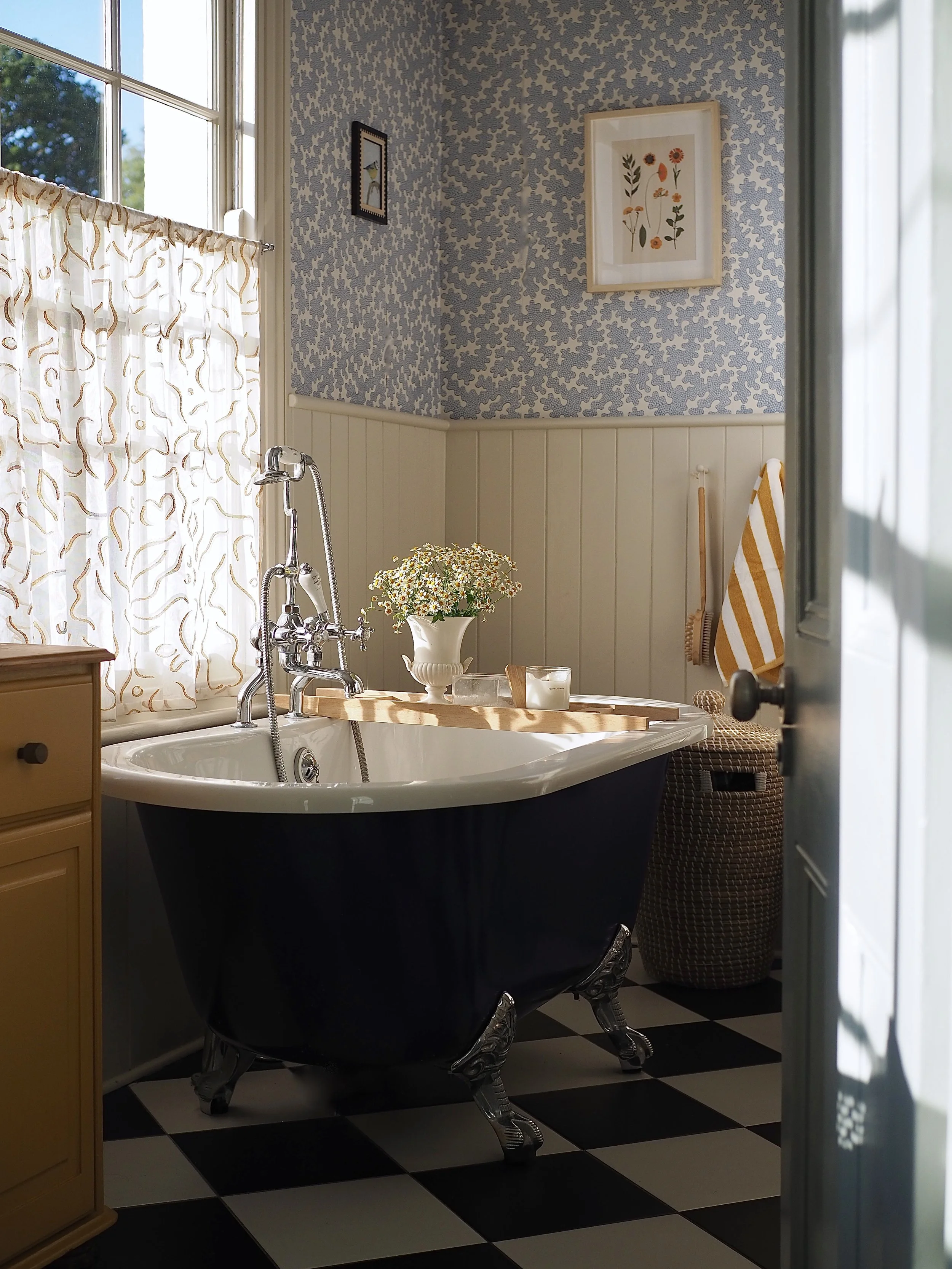
Window treatments play an important role within interior design. Curtains, blinds, voiles and sheers do far more than just provide privacy or block out the sunlight, they tie a room together visually, adding depth, texture, and warmth.
For some homeowners, choosing window treatments can be one of the trickiest parts of decorating a room - it often sounds simple until you’re surrounded by hundreds of fabric samples and colour swatches. It’s not only just about what looks good - it’s important to consider how the materials filter light, soften a space, and work with everything else in the room.
The Psychology of Window Treatments & How it Affects More Than Just Style
Window coverings play a subtle yet powerful role in how we feel within a space. Certain tones and patterns can make a room feel energising, while others bring a sense of calm. Choosing fabrics that work with light and texture allows you to create spaces that not only look beautiful, but also feel balanced and comforting.
How Window Treatments Shape Your Mood
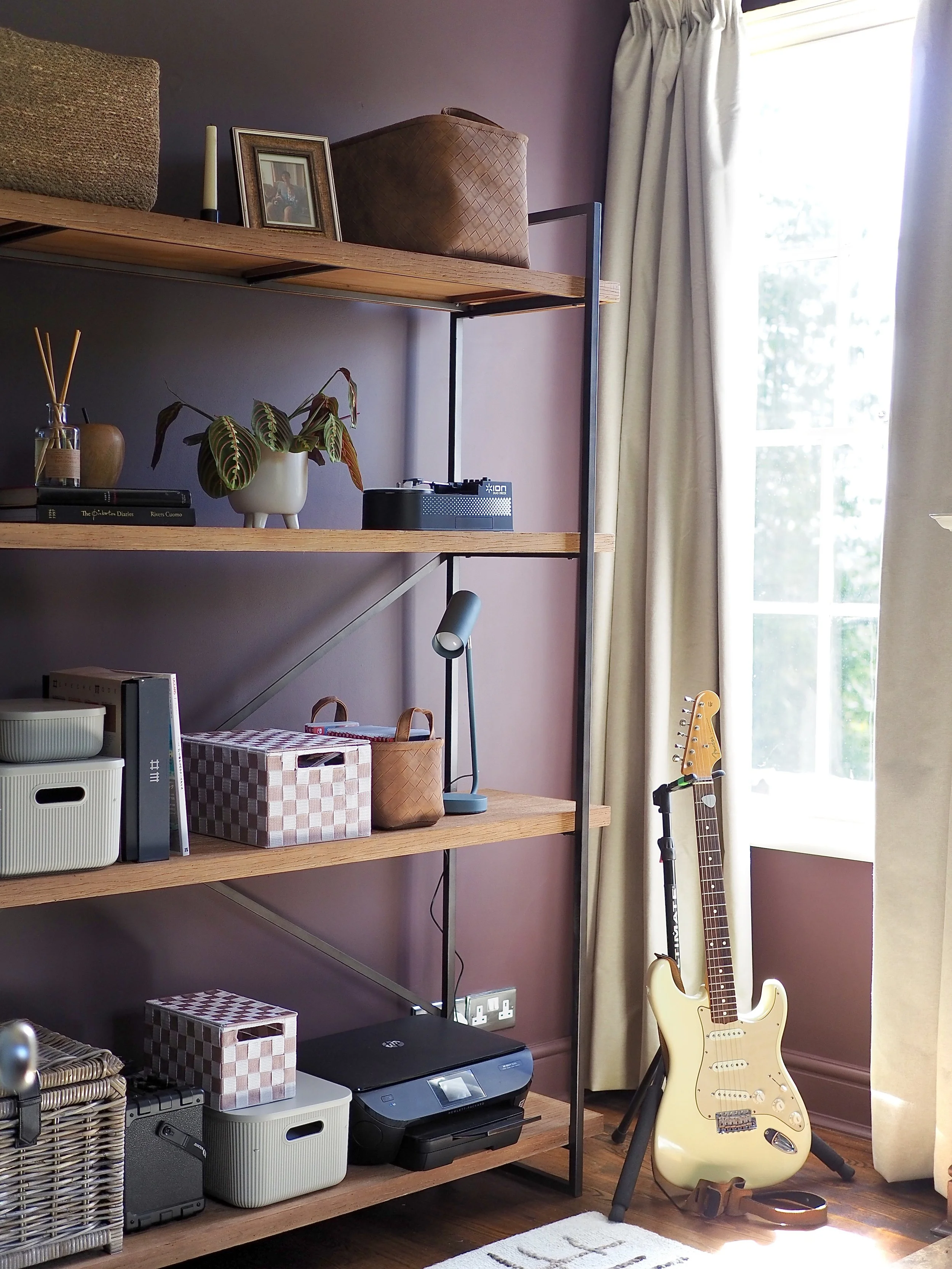
Warm tones such as terracotta, blush, or golden beige create a sense of comfort and ease, making them perfect for rooms like living rooms and bedrooms, which are designed for social connection or rest.
Cooler shades like pale blue or stone browns encourage calm and focus, working perfectly in offices, studios, or study areas. Soft neutrals, especially when paired with tactile fabrics, reduce visual noise and help a space feel open and relaxed.
Light will influence the mood of a room mood dramatically. The brightness and quality of daylight passing through a fabric can affect both comfort and energy levels. Spaces that catch the morning sun often benefit from sheer, lighter materials that allow light to filter in gently and support the body’s natural rhythm. In rooms used later in the day, slightly thicker weaves create a cosy, restful atmosphere as daylight fades.
The Functional Side of Colour (Heat, Glare, Energy)
In addition to influencing emotion and style, window treatments play a practical role in comfort and energy efficiency. The materials and colours you choose can make a noticeable difference in how a room feels throughout the year.
Light fabrics reflect the sun’s rays, helping to keep interiors cool during the warmer months. In contrast, darker or lined drapes add insulation and help retain heat when the weather turns cold. For rooms that receive strong sunlight, metallic or high-opacity fabrics are a smart choice, because they reduce glare and protect furniture and flooring from UV fading.
These physical changes do more than regulate temperature, they affect how comfortable we feel in our surroundings, which explains how window furnishings affect mood as much through function as through design.
The Comfort Factor: Why Texture Matters in Window Treatments
Apart from the colour of your window treatment, the texture of the fabric also plays a major role in how a room feels. Soft, heavy fabrics such as velvet or wool bring a feeling of comfort and quiet to a room, creating warmth and a sense of calm. Lighter materials like linen or cotton voile, on the other hand, make a space feel bright and open.
Texture influences comfort just as much as colour does. Thick fabrics help to retain heat and reduce echo, while lighter weaves let air and daylight move through more easily. Choosing the right balance of weight and texture helps your window treatments feel natural in every season: cosy when it’s cool, and light when the weather warms up.
Smart Design for Light & Temperature Control
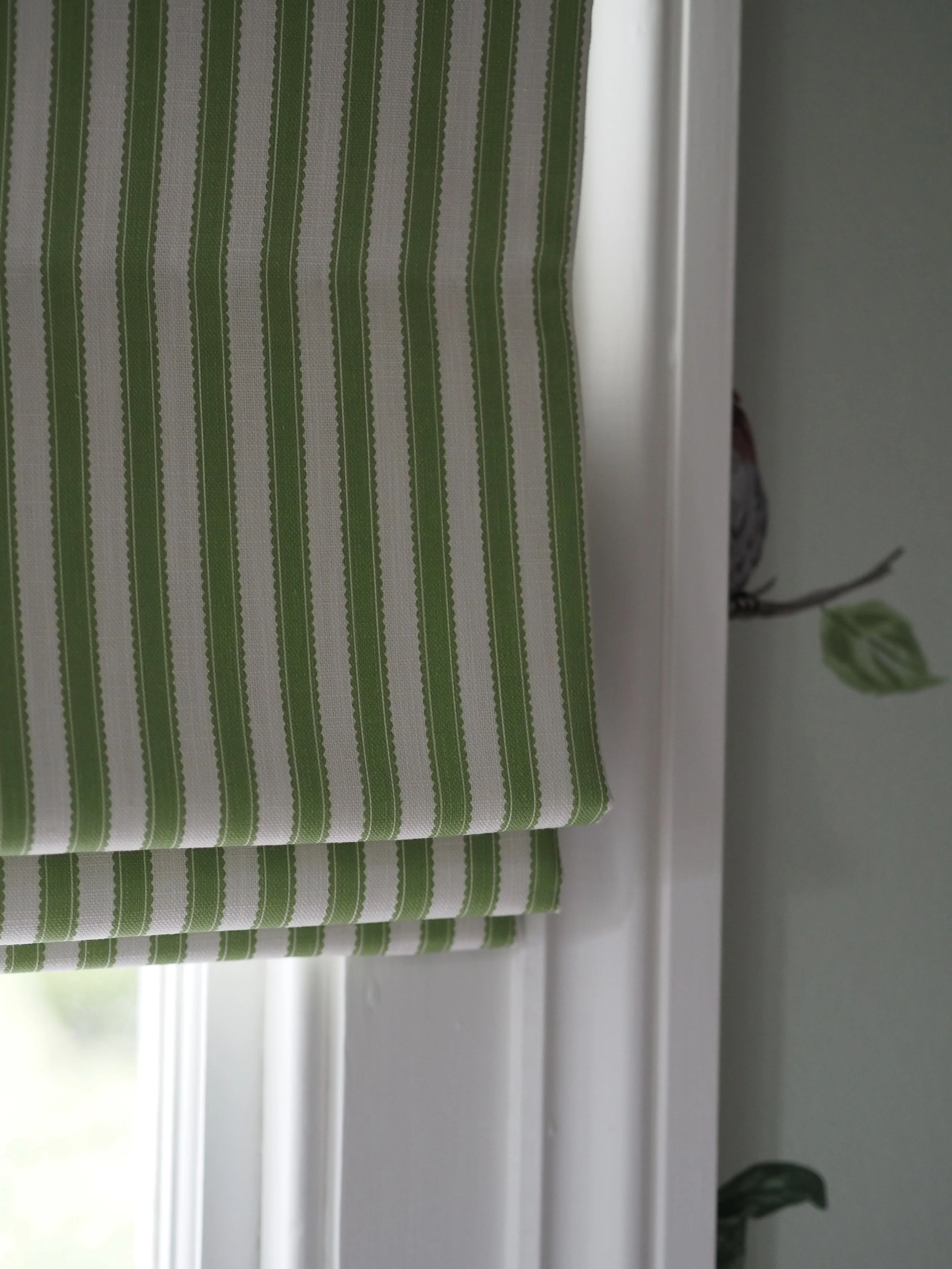
To take their window treatments a step further, many home owners now choose smart systems that automatically adjust with the rhythm of the day. Optimizing window treatments with automated shades makes it easy to control light, privacy, and temperature at the touch of a button. These systems can be programmed to adjust based on the time or intensity of sunlight, keeping interiors cool in summer and cosy in winter. Some other ways to improve temperature control include:
Choosing thermal-lined curtains: Thermal linings add an extra layer of insulation, helping to keep heat inside during winter and blocking out excessive warmth in the summer. They also give curtains a fuller, more luxurious appearance.
Layering fabrics: Combining sheers curtains with heavier curtainss offers flexibility throughout the day. Sheers allow filtered light in the morning, while thicker fabrics can be drawn later to keep rooms cool or retain warmth.
Installing reflective blinds or shades: Reflective or light-coloured blinds help bounce sunlight away from windows, reducing heat buildup and protecting furnishings from UV exposure.
Sealing gaps around windows: Even the best window treatments lose effectiveness if drafts slip through. Sealing gaps or using weatherstripping ensures the temperature inside stays consistent.
These small adjustments work together to create a comfortable environment while reducing energy costs and supporting overall well-being.


Brighten your home with these yellow paint colours…